4.27.17
Why You Ate 23 Pounds of Pizza Last Year
Why We Love Eating Pizza
BalaBlog
A large number of people will easily tell you that pizza is absolutely one of their favorite foods, to the point that most of us eat 23 pounds of the stuff every year. How can you not love it? Hot, cheesy, thick crust, thin crust, endless variations of whatever you want piled on top. It’s the perfect “lazy” food for when mom doesn’t want to cook. It’s what we buy to satiate starving teenagers. It’s the best drunk food, hands down. So why do we vilify it so well? On a diet? No pizza for you. Need to fit into that dress tomorrow? No pizza for you either. Looking to be healthy in any way, shape or form? No pizza for any of you.
There’s a reason why we want — even need — pizza, and it’s a large part of how our bodies work naturally. In other words, no need to fret if you want to have a cold slice from the night previous for breakfast. Beer and pizza during a football game is no reason to bemoan your weight loss goals. You can have your cake (er…pizza) and eat it, too.
There are a few reasons why our bodies light up at the sight of a steaming pizza box. First, you’ve got what can be called the “dynamic contrast variant,” and it’s all about food construction. Smart culinary minds know this, and it’s why inventions such as the Big Mac have been so successful. Our bodies love foods made up of contrasting textures, flavors and temperatures. In fact, we even get a little mood boost from them, in the form of chemical rewards in our brains. Perhaps it’s a leftover biological function from when we were evolving to eat varied diets, in order to keep us alive longer. Now, most of us already eat highly varied diets as omnivores, but we still love something with a lot of contrasts. From the crispy or fluffy crust, to the gooey cheese, to the savory sauce, to tons of toppings, pizza provides us with all the contrasts we need.
This leads to hedonic optimization, which simply means we’ve reached the maximum level of option combinations to make us, as individuals, happy. We all have different qualifications for this “hedonic optimization,” but pizza can help most of us reach it. Starbucks has a similar business model as most pizza places, where you start from the ground (what type of dough or coffee bean you want) and work your way up through the varying layers of options (in the case of pizza, sauce type, cheese type, toppings).
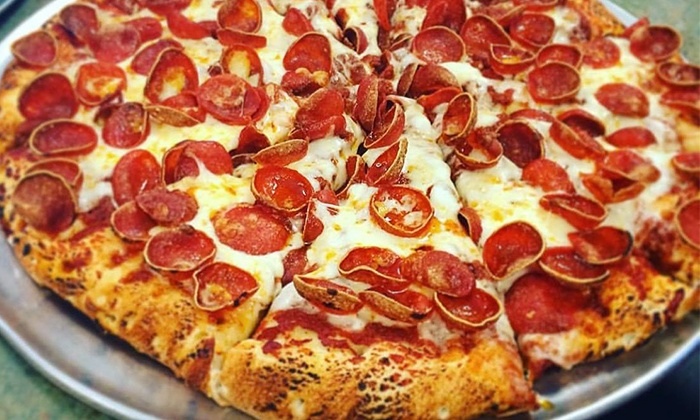
Of course, we often enjoy certain toppings more than others. This is the case with many toppings high in fat and salt (such as pepperoni). High sodium content often sparks pleasure receptors, as does high fat content, making pizza with all the works even more tempting. Pepperoni especially is rewarding to your taste buds, with its high caloric density and fat-calorie percentage akin to that of butter.
It’s also additionally wondered if certain compounds found in pizza act like morphine and addictive substances. These compounds are known as gluteomorphins and casomorphins and occur during the digestion of wheat and dairy (both found in pizza). Casomorphins have a known opioid effect and those attempting to go dairy-free are most likely to notice this. Benefits of casomorphins include increased absorption of calcium, reduced blood pressure and reduced anxiety, and may be traceable to evolutionary processes, to ensure nursing animals (such as calves) got all the milk they needed from their mothers. So, yes, in theory, you do now have an excuse for your addiction to cheese.
Pizza isn’t the bad guy here. From an evolutionary standpoint, you’re supposed to love it. Enjoy a slice (or even two) and, instead of trying to cut this highly addictive substance out of your life completely, recognize it for what it is: a very delicious and very rewarding experience that should be treated as a happy occasional win, not a regular failure on your way to healthy living.



member login or register now