3.8.17
Why We’re Hardwired To Love Spices
We love to add different spices to our food, but what started that and why do we love them much?
BalaBlog
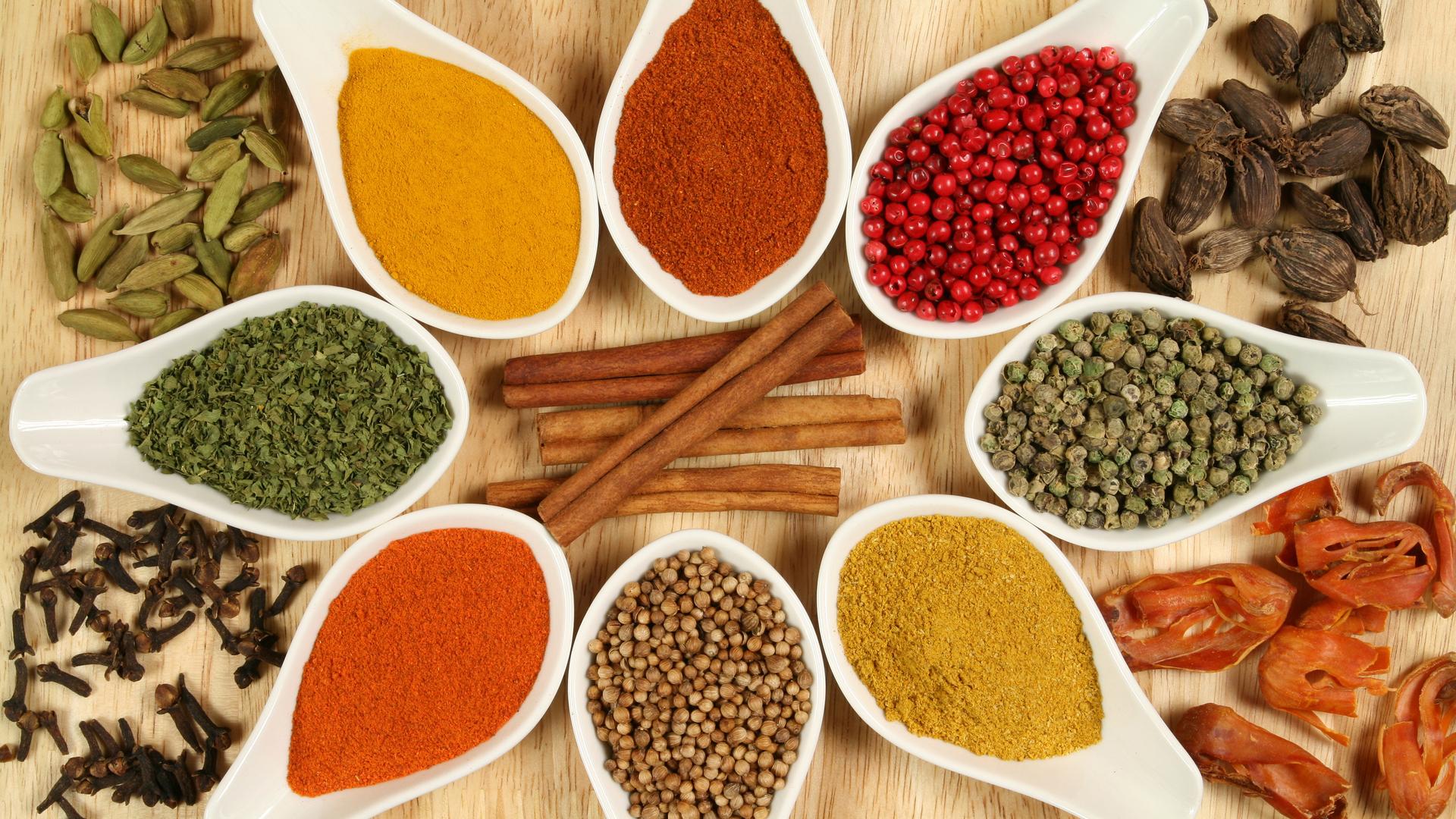
Imagine a world with no spices. Everything would basically be terrible, and that’s not an exaggeration. Your love to eat non-bland foods isn’t just a personal preference we all happen to have — there’s an actual physiological reason behind it, one that kept our ancestors alive.
Spices not only help to enhance the sensory quality of a certain food, but they also reduce the bacteria and fungi that could be growing in or on said food. Thousands of years ago, when mankind was just starting to explore the culinary world, this was a big deal. Eat the wrong thing and you’re dead. Garlic, onion, pepper, allspice and oregano all are great at reducing pathogens that cause food-borne illnesses. While it may have been a discovery that was accidental, the usage of these ingredients in dishes to prevent sickness stuck, until now there’s no real worry of dying from a tainted piece of meat, but we still love to cover it in garlic anyway. This fact also contributes to the reasons why cultures from hotter climates use more spices (pick up an Indian recipe and you’ll see a long list of flavorings that aren’t in the average home cook’s cabinet). However, the hotter the climate, the greater likelihood of food spoilage, hence the need for more and more spices to combat this.
After it was discovered that spices could help eliminate food borne illnesses, those anti-fungal and antibacterial properties were extended to natural and holistic medicine. Black pepper was often used in Ayurvedic medicine, and is included in more than one-fourth of all herb-spice mixtures that were once used to treat diseases. In fact, it’s suggested that black pepper was often used because it helps humans better absorb certain needed nutrients and beneficial properties. In addition, it’s shown that spices can help to fight depression, by releasing potential feel-good neurotransmitters in the brain, quite similar to the satisfactory chemical releases felt when we eat chocolate.
Of course, our biological love of spices is more than just a way to keep us healthy. It’s also all about our body’s pleasure receptors. This can be seen going back to the first culinary developments as well. Many of the cultures which developed the use of quite a lot of spices may have done so because, many years ago, they didn’t have access to foods high in fat content. As these fatty foods generally have the attributes our taste receptors are looking for, a lack of them means a need to find a different sort of pleasurable eating experience. Thus, spices were combined in ways that made eating a rewarding activity. You can see evidence for this theory when comparing Indian foods to Scandinavian cooking. Indian cuisine is high in spice content, but low in fat content. On the other hand, Scandinavian cuisine incorporates quite a lot of fatty foods, such as meat and dairy; they use a very small amount of spices, however.
Additionally, spices help to preserve the original flavor of a dish, so that harmless but undesirable off-flavors (such as rancidness) do not develop. These flavors typically occur when proper modern storage procedures aren’t followed, procedures which obviously wouldn’t have been available in ancient times.
As you can see, spices are about a lot more than just making something taste good. They could have very well kept your ancestors alive. Whatever your favorite flavors, no matter the level of overall spiciness you can handle, take a moment to appreciate just how helpful spices have been through the centuries. They’re all that stands between you and very bland, boring, possibly short-lived existence.



member login or register now