The Biological Reasoning Behind All Our Favorite Foods Come Down To A Few Key Elements -High Caloric Density: High Amounts OFf Salt, Fat Or ugar; Rapid Satiation; And A Dynamic Contrast.
BalaBlog
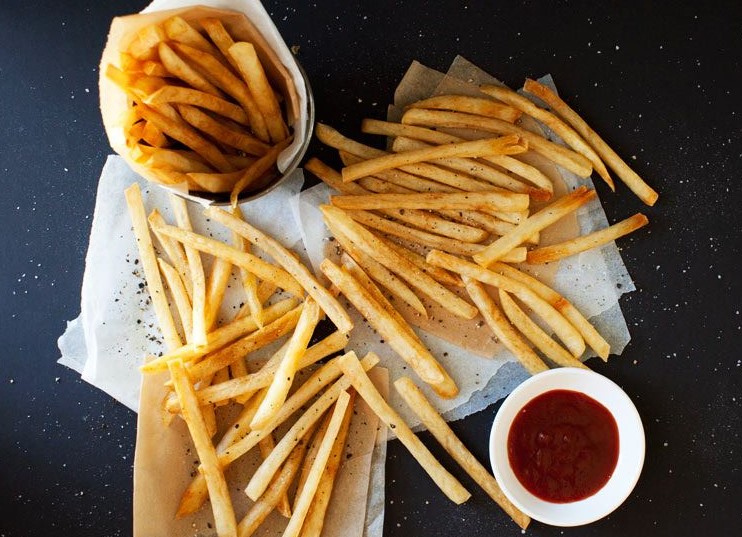
You can smell them before you see them, and there’s nothing better to cure a hangover, headache or just an undeniable craving for something salty. There’s a reason why they’re one of the most beloved foods no matter the age group or gender. If someone asked you which vegetable you eat most frequently, quite a lot of us could probably answer with a resounding ‘potatoes,’ just because of them. But your (and the rest the world’s) affinity for French fries isn’t just a result of several decades of poor eating habits. Instead, there’s a little more science behind the love affair.
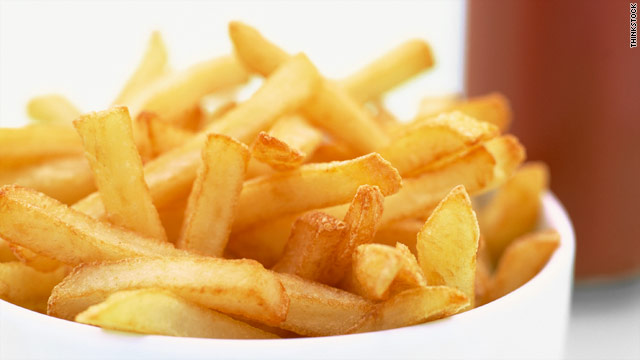
The French fry has all four and, regardless of where you prefer to get your fries, all restaurants are striving to accomplish those four key factors perfectly. In fact, how we oh-so-vehemently judge a restaurant’s fries spawns off of a fry’s dynamic contrast, or, in simpler terms, the ratio of crispy outside to soft and creamy inside. Everyone wants that great textural contrast. It’s why we hate fries that are limp and soggy, or burnt and crisp to the core. (However, get a fresh plate of chili cheese fries, with the liquid cheese covering a still-crispy fry with the perfectly soft potato interior, and you have a whole other level of orgasmic textural pleasure).
While not high in sugar, fries are naturally very high in salt, fat and starch. In fact, 50 percent of the calories found in a batch of fries are from the fat content, making them ideal in terms of junk food satisfaction. Additionally, they’re high in caloric density, meaning that there are a lot of calories packed into a small space, which our brains love. Over time, our bodies have evolved to look for the most energy from the smallest sources, to keep us alive longer, not knowing that most of us reading this aren’t in any danger of losing out on a meal any time soon.
Then, the high glycemic starch content gives us a jolt of insulin (setting off our brain’s pleasure sensors), as fries can be digested fairly quickly (or at least much more quickly than a raw potato). In fact, cook any potato and the digestibility increases by as much as four times, which, overall, helped our ancestors learn that cooking potatoes was a good idea, rather than just eating them straight from the ground.
The French fry craze goes beyond just the taste and the digestion process, though. As pointed out above, the smell is hard to beat. You can always place it quickly, and there’s no other scent like it in the world. There are certain aromas that are resistant to adaptation. In other words, you never get tired of them or “used to them,” in the same way that you become accustomed to the smell of, say, your dog in the car, until you can longer smell him in the same way that new passengers can, or the smell of your own perfume, or your own house. Since you’re acclimated to these scents, you can’t smell them the way other people can. There are certain food smells that we never become acclimated to, and we all enjoy them anew each and every time we get a whiff. French fries are in this category, as is popcorn, vanilla and bread.
So, don’t feel bad if you’re craving some of that McDonald’s golden goodness — it’s just the way you’ve evolved.



member login or register now